Red-light therapy
Light exposure without meaningful heat
Skin, tissue, and recovery support when the dose stays controlled.
 Zen Strength
Sauna and red-light therapy
Sauna and red-light therapy can both be useful. They just do different jobs. When you combine heat, light, breathwork, cold, and gadgets without a reason, more does not automatically mean better.
The simple rule
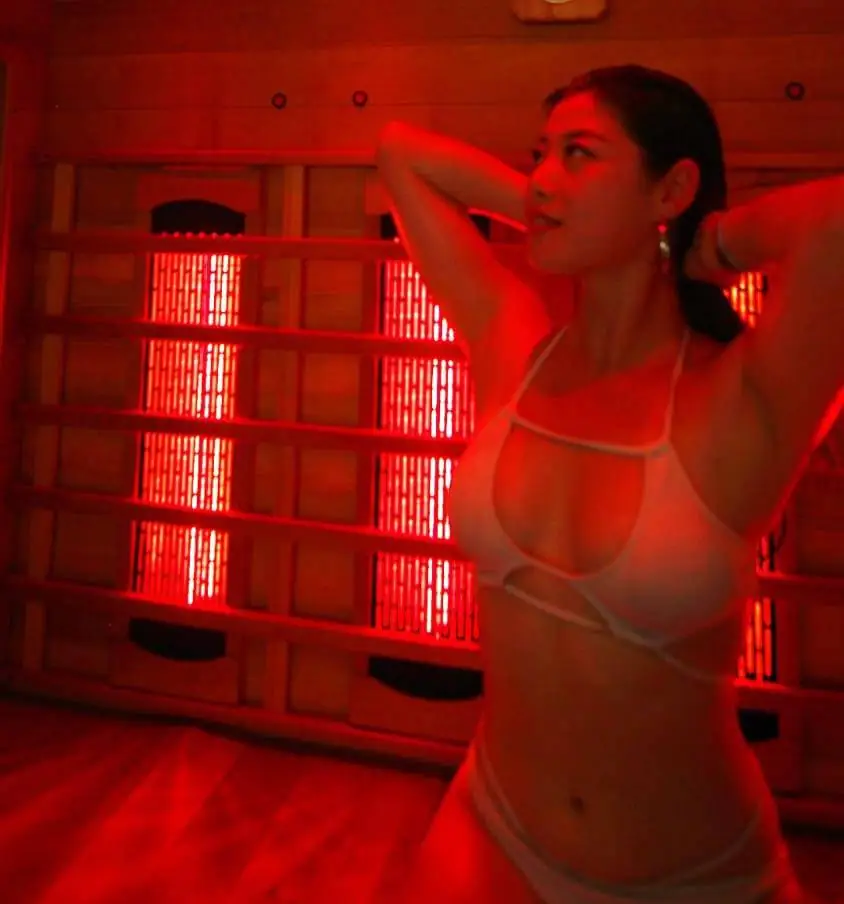
Red-light therapy is usually discussed as photobiomodulation: a light dose aimed at cellular signaling, repair, and recovery. Its value comes from the light exposure, not from making the tissue hot.
Sauna is different. It deliberately raises thermal load, heart rate, sweating, and recovery demand. That can be useful, but it is a separate stimulus. If you stack both at once, it becomes harder to know whether you are improving recovery or just adding noise.
Light exposure without meaningful heat
Skin, tissue, and recovery support when the dose stays controlled.
Passive heat stress, sweating, and heart-rate increase
Cardiovascular conditioning, resilience, and heat adaptation.
Nervous-system challenge with guided recovery
Learning to stay calm, clear, and responsive under stress.
Better sequence
Use red-light therapy when your skin and core temperature are calm. Follow the device instructions, keep the recommended distance, and stop if the tissue feels hot.
Treat sauna as its own stimulus: heat, sweat, heart-rate rise, hydration, and cooldown. Do not try to make it more effective by stacking another intervention on top.
After heat, use slow breathing, cooling time, or coached cold exposure to train recovery under pressure rather than chasing intensity for its own sake.
Chiang Mai next step
The strongest local use of this article is not buying another device. It is learning how your body responds when heat, breath, cold, and recovery are paced with human support.
Guided Zen Strength support can use breathwork, sauna, steam, coached ice bath exposure, and integration so the session has a clear nervous-system arc.
Safety note
If a practice makes you dizzy, panicked, overheated, unusually fatigued, or unable to recover, downshift. The useful question is not how much you can tolerate. It is whether the dose creates better energy, sleep, mood, and decision-making afterward.
If your recovery issues are persistent, medical, medication-related, or tied to heat sensitivity, blood pressure, fainting, skin conditions, or trauma history, get qualified support before experimenting aggressively.
FAQ
Usually, yes, but separate the sessions. Let your body cool down and rehydrate before using red light so the light dose stays clean and the heat stimulus stays intentional.
Red-light therapy is meant to be a low-heat light dose. Sauna is heat stress. Combining them makes the response harder to interpret and can turn useful recovery into unnecessary stress stacking.
Cold exposure can pair well with sauna when the sequence is guided and the dose matches the person. The goal is not toughness; it is better regulation, recovery, and awareness.
If you are in Chiang Mai and want support with breath, heat, cold, and recovery pacing, use the inquiry path so Jason can review the goal, timing, and fit.
Bottom line
Keep red light separate from sauna. Use heat intentionally. Add breathwork and cold exposure when the goal is nervous-system training, not just a harder recovery stack.