Colder is not automatically better
The nervous system adapts through the right dose. If the cold overwhelms your breath, the practice has already drifted from training into bracing.
 Zen Strength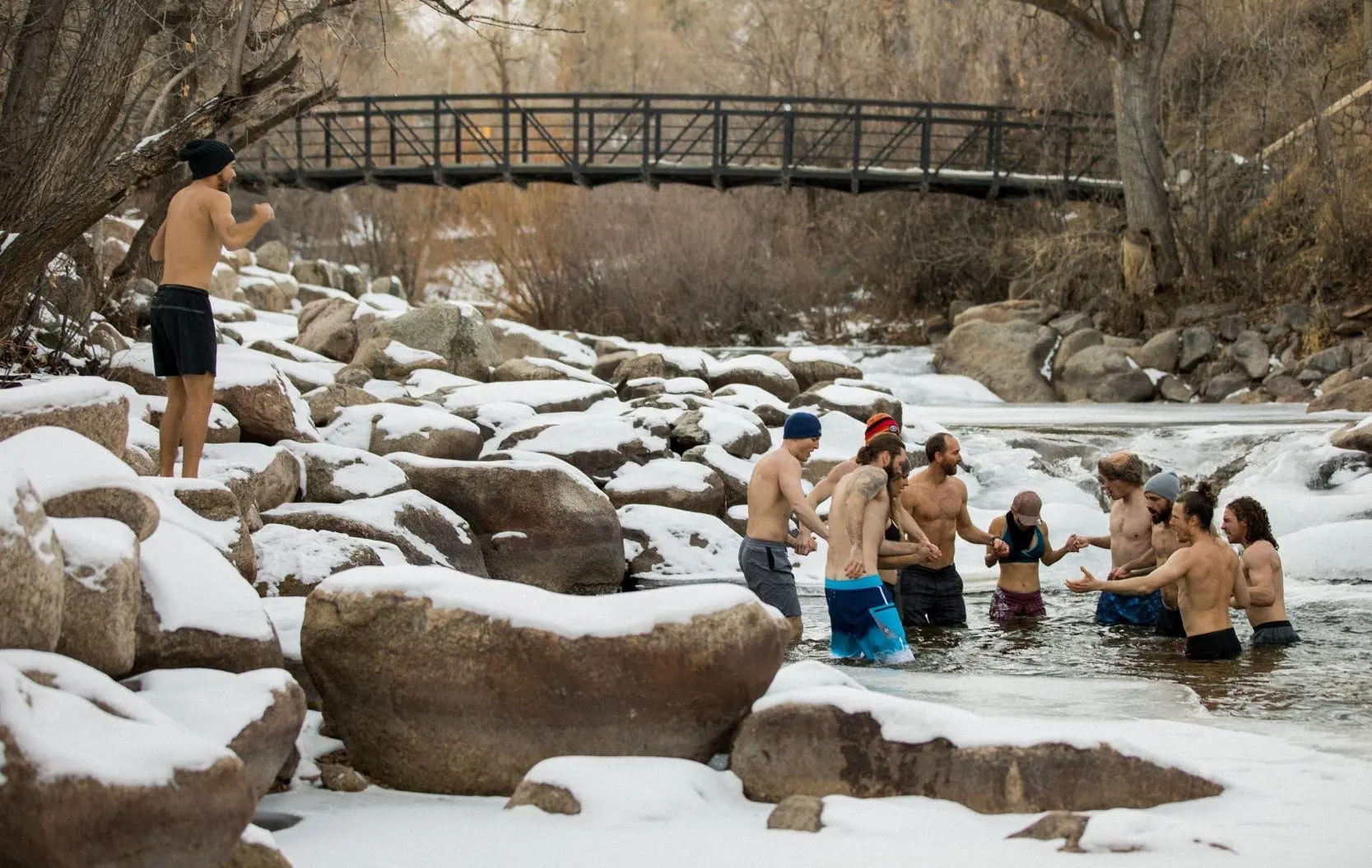
Common sense cold therapy
Ice baths are useful. They are also easy to turn into a toughness contest. The better question is not how cold you can go. It is whether the cold teaches your nervous system to stay present under stress.
Core idea
The cold is not magic. It is a strong signal. At the right dose, that signal can train alertness, mood, breath control, and recovery. At the wrong dose, it can teach bracing and fear.
I have watched beginners feel proud after one calm minute, and experienced people lose the plot by chasing more cold than their system could process. The win is not suffering. The win is control returning.
The nervous system adapts through the right dose. If the cold overwhelms your breath, the practice has already drifted from training into bracing.
A clean 60 seconds with control is more useful than five minutes of panic, jaw clenching, or white-knuckled proving.
Cold can be useful, but it is still a stressor. Do not stack it blindly after every hard training session or late at night when your system needs downshifting.

Beginner protocol
The first goal is not max cold. The first goal is proving to your body that intensity can happen without panic. Use this as the default before you chase colder water or longer holds.
You do not need a brutal plunge to begin. Cool water that creates a real breath response is enough for a useful first rep.
Expect the first inhale to spike. Then return to long, slow exhales until the body learns that intensity does not require panic.
For beginners, 60 seconds is a complete session. Get out while you still have control, warm naturally, and build consistency before intensity.
Breath rule
Breath is the transferable skill. It is what you use in the tub, in hard conversations, before sleep, during work stress, and when your body wants to sprint away from sensation.
Use the cold as a gym for that skill. If the ice bath becomes a place where you override the body, ignore warning signs, or perform for other people, the practice has stopped matching the point.
Timing
Good fit
Cold can be excellent when you want alertness, a pattern interrupt, or a clean reset before work.
Use caution
If hypertrophy or strength adaptation is the priority, avoid reflexively using cold immediately after lifting. Heat, food, walk, and sleep may be better.
Usually skip
If you are already tired but wired, choose breath-led downshifting first. Cold may add stimulation when your system needs permission to land.
Chiang Mai
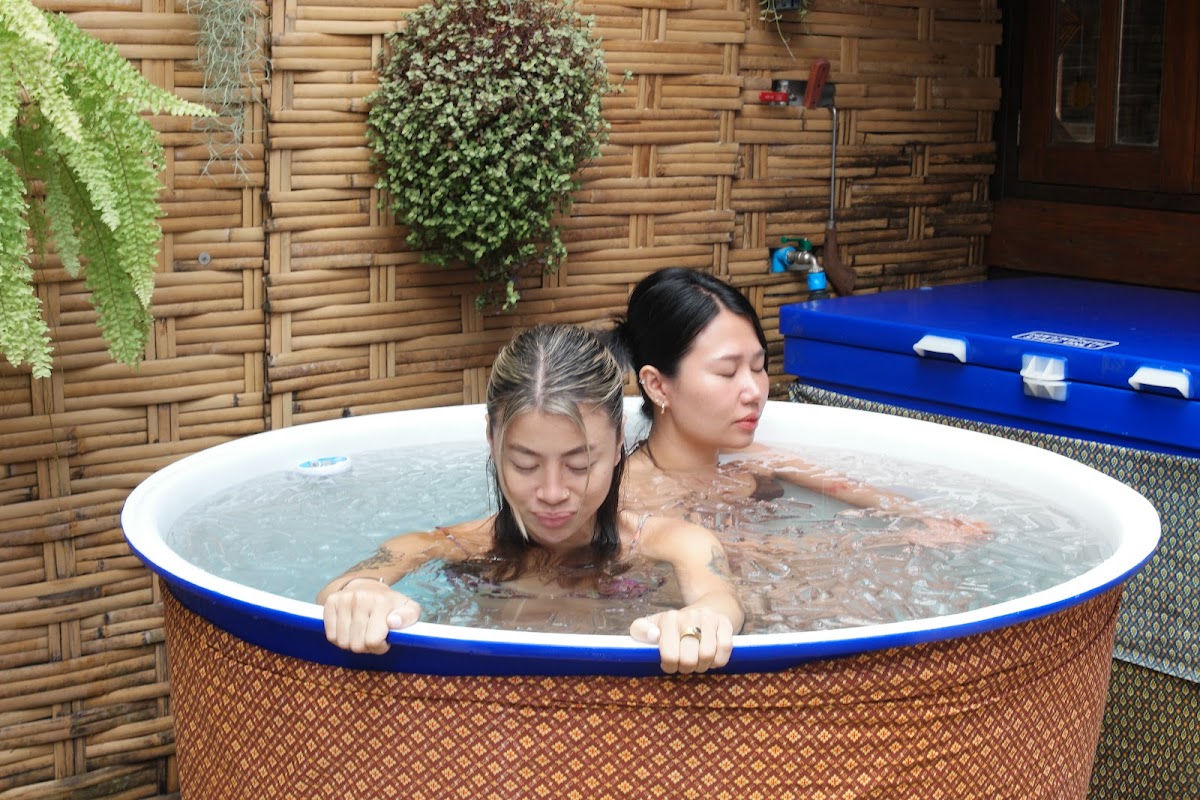
In guided Zen Strength support, the breathwork happens before the cold, the entry is coached, and the recovery is part of the practice. That makes a big difference for beginners and for people who tend to overdo stress.
FAQ
Start around 15 C or with water cold enough to create a breath response while still letting you stay in control. You can progress colder later.
For a first phase, 60 seconds with calm breathing is enough. Add time only when your breath, face, and body stay organized.
Not automatically. Cold exposure can support recovery and mood, but frequent cold immediately after strength training may not match your adaptation goal.
You need a simple breath anchor, not intense breathwork. Avoid forceful breathing or long breath holds before entering water.
Avoid or get qualified medical guidance if you have cardiovascular risk, fainting history, pregnancy, major health conditions, medication concerns, or serious uncertainty.