Stress response training
Cold water gives the body a clear stress signal. The useful benefit is learning to feel the spike, stay present, and recover the exhale instead of bracing harder.
 Zen Strength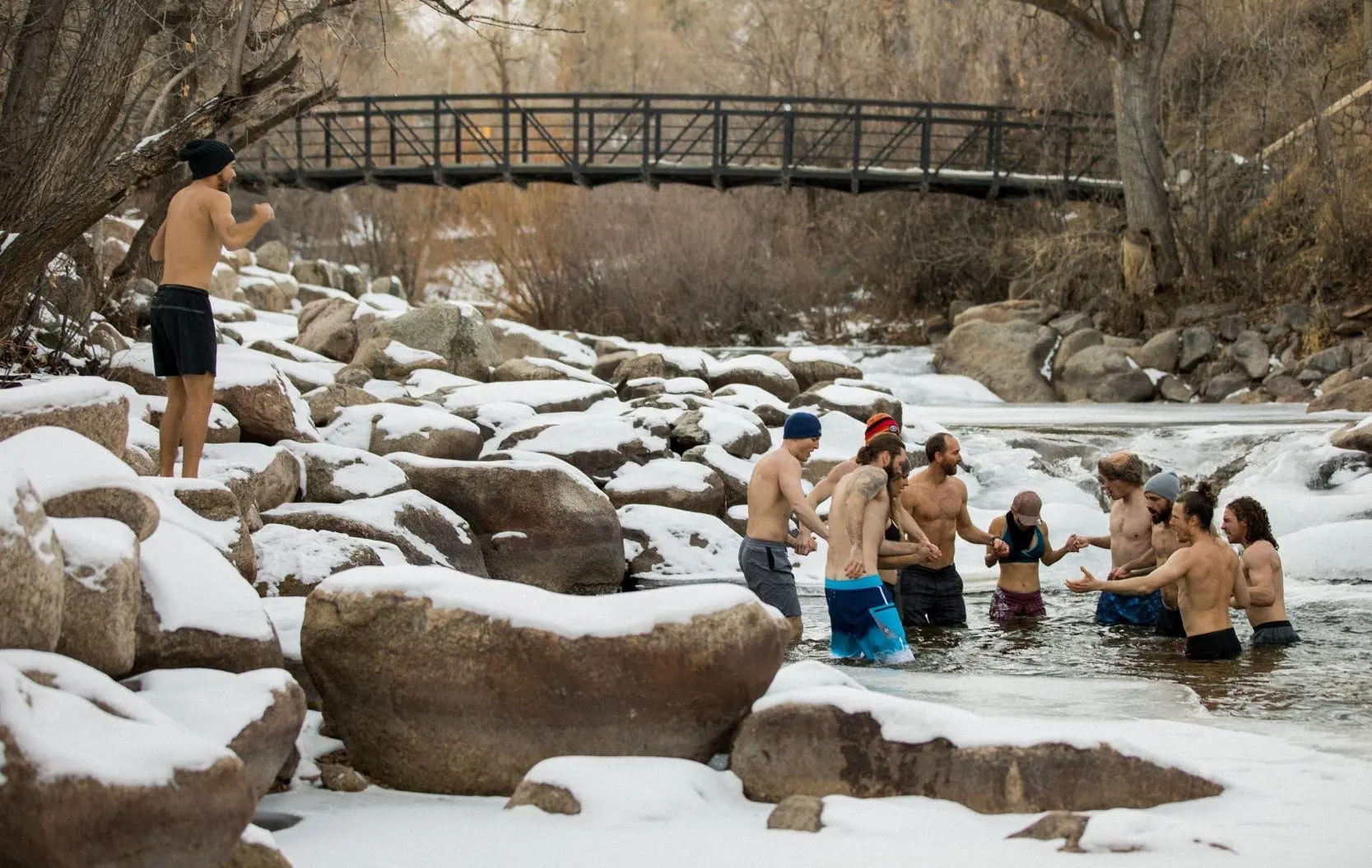
Ice bath benefits
Ice baths can sharpen energy, support recovery, and build confidence. They work best when the cold is dosed like training, not treated like a toughness contest.
Better frame
The old way to talk about ice bath benefits was often intensity first: colder water, longer time, bigger challenge. Zen Strength uses a different frame. The cold is a stressor, and the training is how your breath, face, posture, and attention respond.
This page preserves the original cold-therapy intent while routing visitors to current Chiang Mai venue guidance, breathwork and ice bath inquiry, and health optimization coaching when the bigger issue is stress, sleep, or recovery.
Benefits that matter
Cold water gives the body a clear stress signal. The useful benefit is learning to feel the spike, stay present, and recover the exhale instead of bracing harder.
Many people use cold exposure after heat, training, or heavy days because it creates a strong shift in sensation. Keep the dose simple and watch how your body responds.
A well-dosed ice bath can leave people feeling more alert, clear, and confident. That effect is best when the session ends before panic takes over.
The breath is the built-in feedback loop. If your breath returns, the dose is workable. If it stays locked, shorten the session and make the next attempt easier.

Guided option
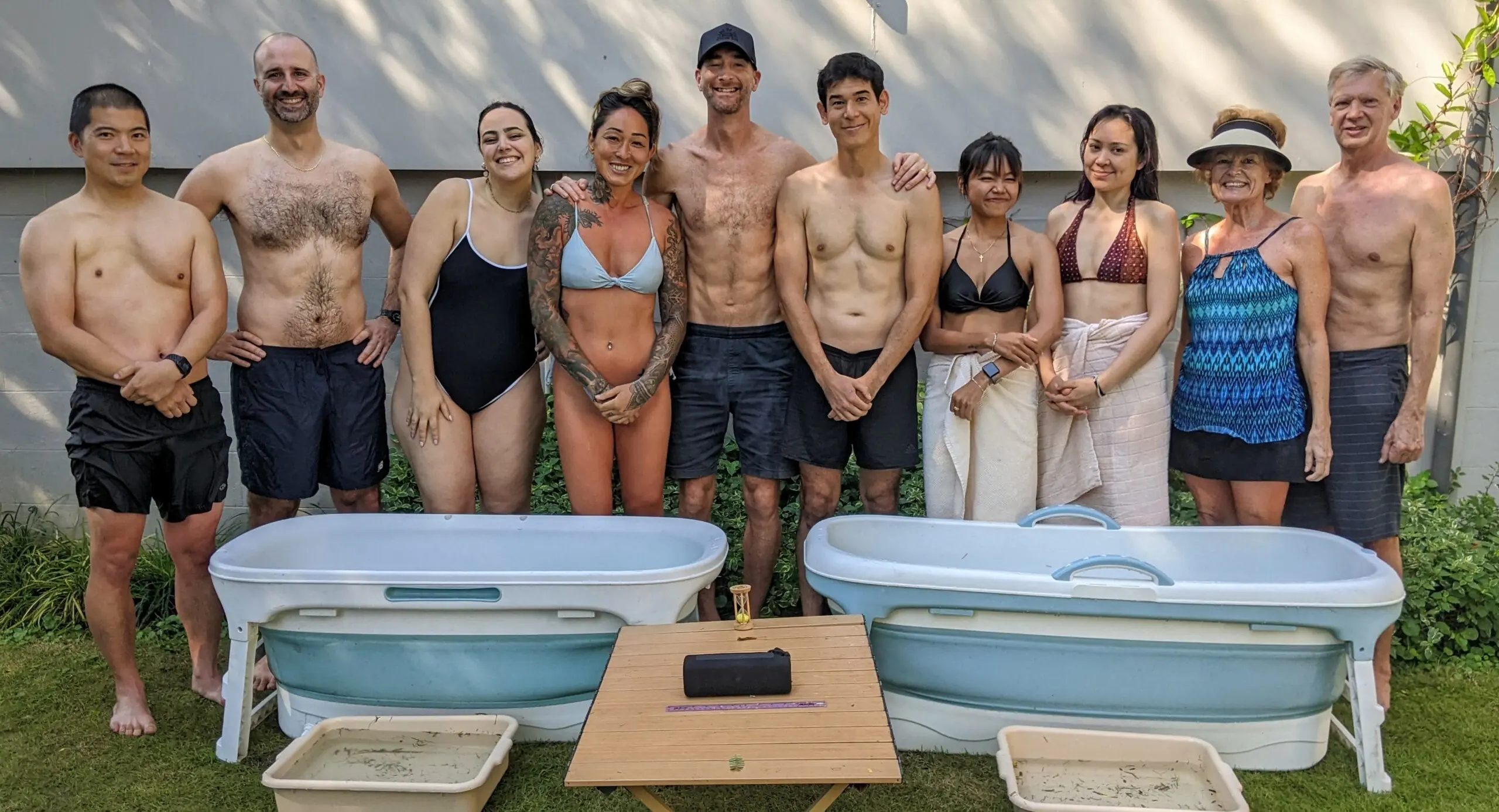
Guided Zen Strength support gives you setup, breathwork, cold entry support, and recovery guidance. That makes the benefits more repeatable than forcing your way through a tub alone.
How to start
Start warm, hydrated, and calm. Do not enter cold water after forceful breathing or long breath holds.
Use a short first exposure. Sixty to ninety seconds with recoverable breathing is enough for many beginners.
Leave before panic becomes the lesson. Dry off, move gently, and let warmth return without rushing.
Treat consistency and recovery as the win, not colder water or longer time.
Next step
If you want a place to go in Chiang Mai, compare local ice bath, sauna, and recovery options. If your real question is why stress, sleep, or energy feels hard to regulate, start with health optimization coaching.
FAQ
The most practical benefits are nervous-system training, improved confidence under stress, recovery support, and a clear energy shift. Individual results vary, and the dose matters.
Start with one or two short, controlled exposures per week and track sleep, energy, mood, and recovery. Increase only if your body responds well.
They can be useful when the exposure is controlled and followed by recovery. If the session becomes panic, pressure, or self-punishment, it is no longer good nervous-system training.
Avoid cold exposure or get qualified medical guidance if you have cardiovascular risk, fainting history, pregnancy, major health conditions, medication concerns, or serious uncertainty.