Before the plunge
Use easy nasal breathing, slower exhales, and a calm setup. Do not hype yourself up with aggressive breathing or long breath holds before entering cold water.
 Zen Strength
Cold plunge breathing
A cold plunge is not just a test of tolerance. Used well, it teaches your body how to meet intensity, regain the exhale, and stay organized under stress.
Core rule
The first cold-water reflex is supposed to feel strong. That does not mean you are failing. The practice begins when you notice the surge and find the first controlled exhale.
This page keeps the original cold-plunge breathing intent while routing the next step through current Zen Strength offers, current Chiang Mai venue guidance, and safer beginner dosing.
Breathing plan
Use easy nasal breathing, slower exhales, and a calm setup. Do not hype yourself up with aggressive breathing or long breath holds before entering cold water.
Expect the inhale to spike. Your job is not to suppress it. Notice the surge, soften your face, and begin lengthening the exhale as soon as you can.
Keep the breath low and repeatable. If the jaw locks, the chest stays high, or the breath will not return, end the set and make the next dose easier.
Stand, dry off, move gently, and let heat return without panic. The recovery period teaches the same skill as the cold: intensity without losing control.
Common mistakes
Guided option
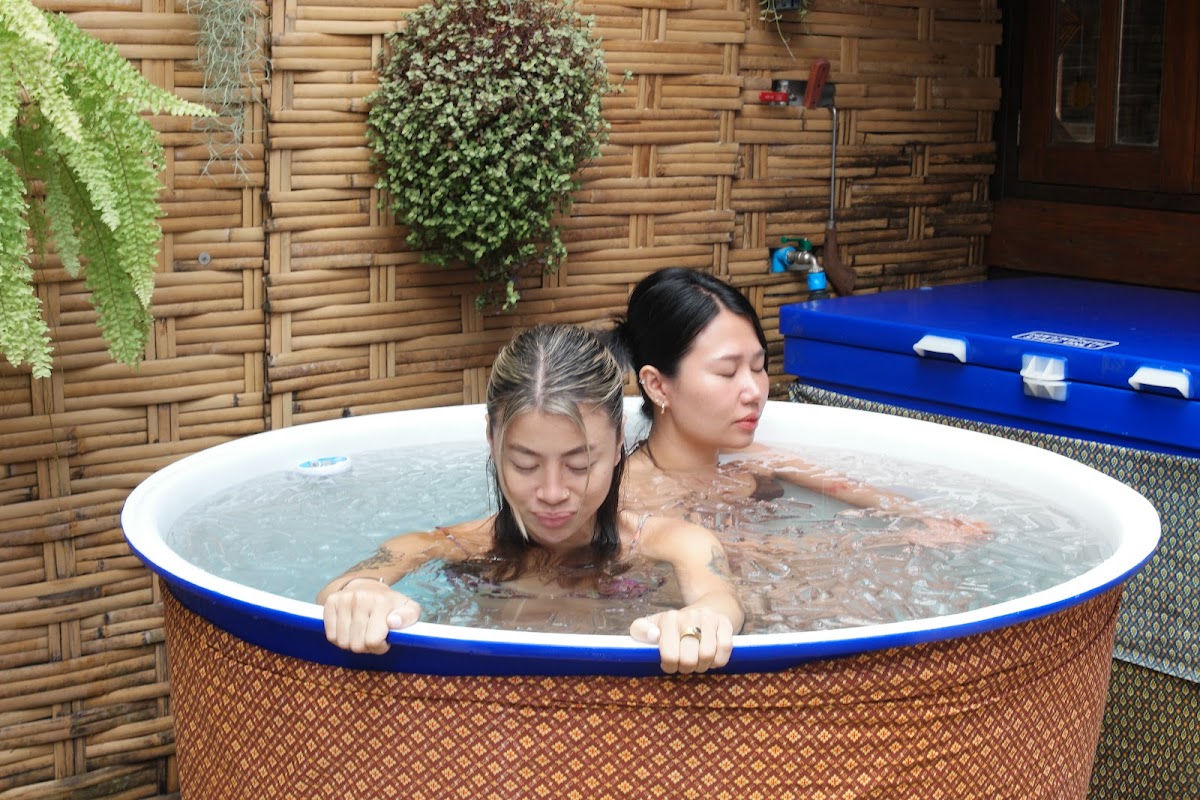
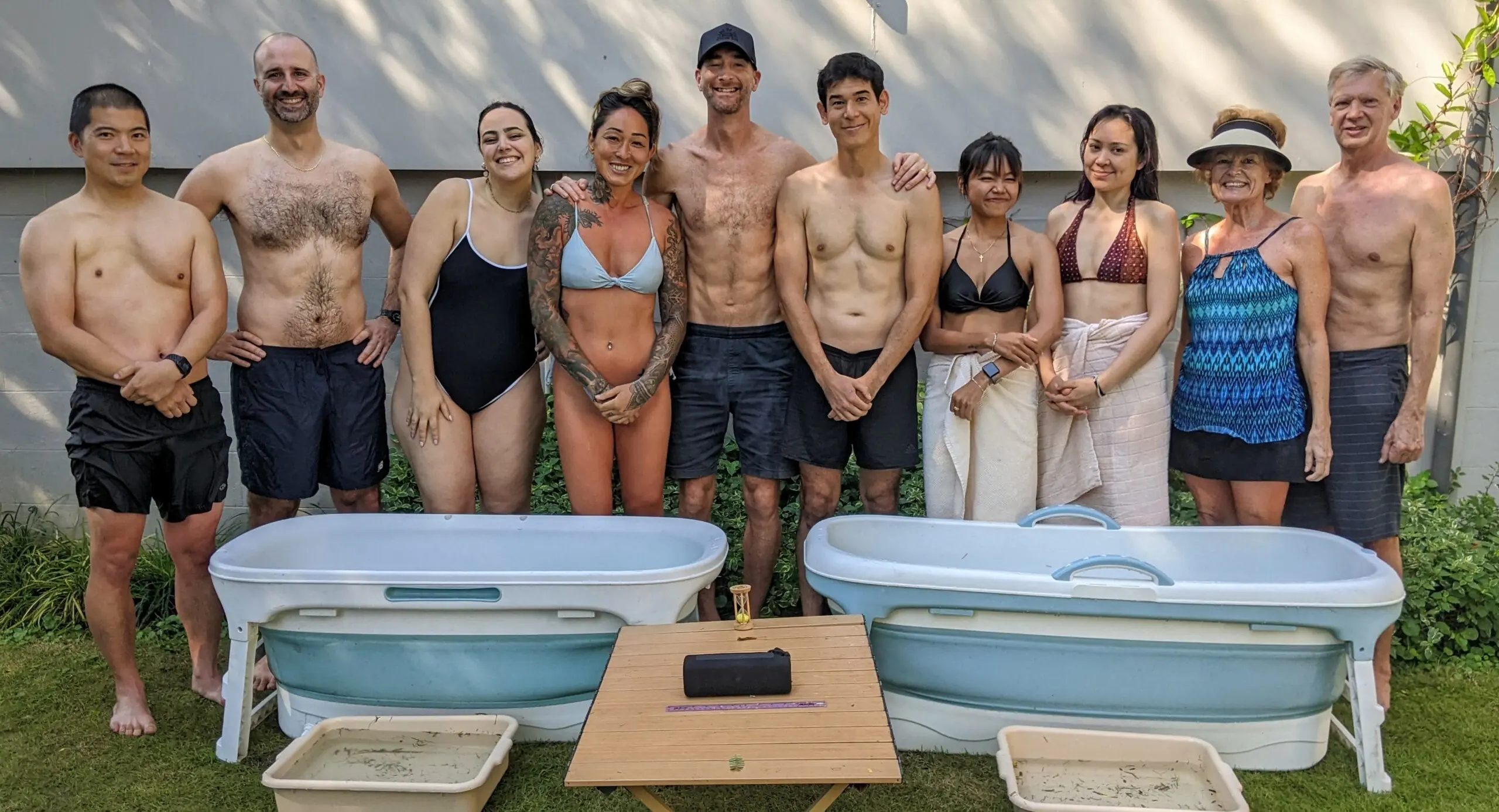
In guided Zen Strength support, the breathwork prepares the entry, the cold is coached, and recovery is part of the practice. That makes the session more useful than simply forcing yourself to stay in.
Next step
If you want a local venue, compare Chiang Mai ice bath, sauna, and cold plunge options. If you want to understand why your system overreacts to stress, start with health optimization coaching.
FAQ
Let the first inhale happen, then return to slow exhales and steady breathing. The goal is not perfect calm; it is regaining enough control to stay present.
Do not use forceful breathing, hyperventilation, or long breath holds immediately before entering water. Keep the pre-plunge breath simple and controlled.
Start with about 60 seconds when the breath can return. A short, controlled session is better than a longer session built on panic or performance.
Guidance is useful when you are new, nervous, recovering from stress, or likely to push too hard. A coach can help dose the cold and keep the breath as the anchor.